

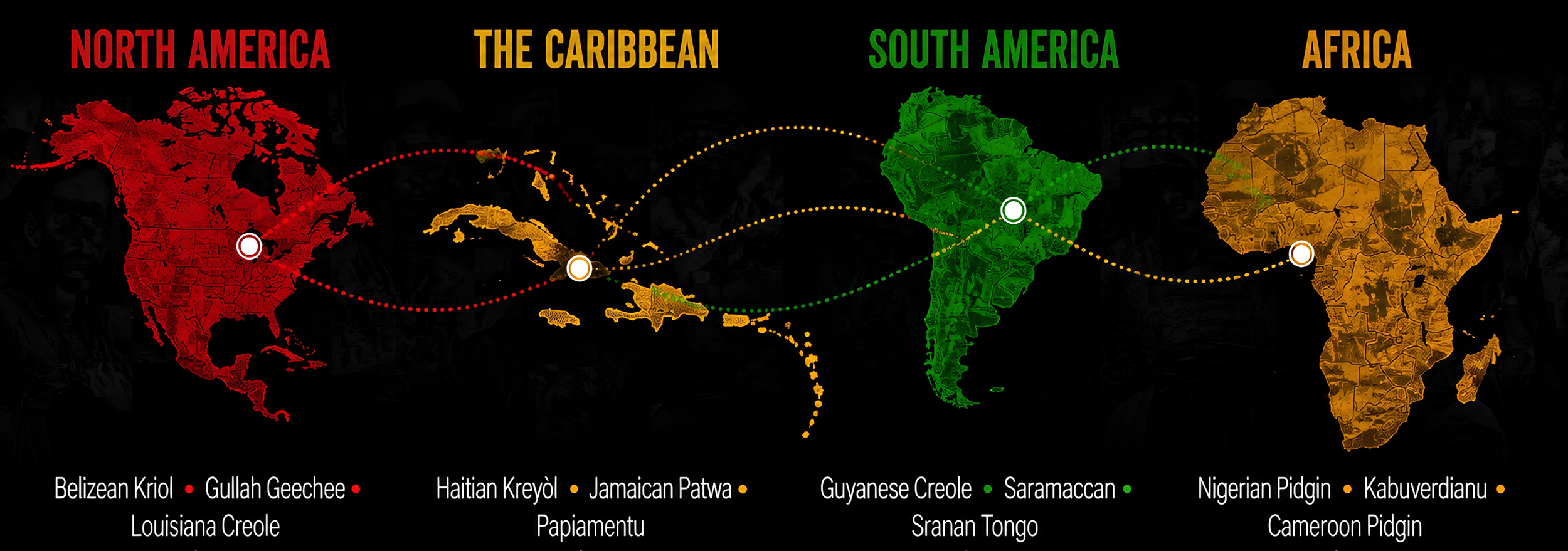
Afro-Creole Languages Week is a global celebration of the creole languages created by African People. Forged through resilience and extraordinary linguistic creativity under the violence of enslavement, these languages preserved African knowledge systems and continue to connect communities across Africa, the Caribbean, North America and South America.
Officially endorsed by the Office of Pan-African Affairs and Heritage (Government of Barbados), and the Diaspora Affairs Office of the President (DAOOP) of Ghana.".
Every 1–8 September, we come together to celebrate our shared linguistic heritage and build a future where our languages are recognised, respected and thrive.
Join us for a global celebration of Afro-Creole Languages Week to celebrate our languages, share knowledge, discover their history, and help build a future where Afro-Creole languages are recognised, respected and passed on to the next generation.
| Haiti | Jamaica | Saint Lucia | Dominica | Aruba | Curaçao | Trinidad and Tobago | Grenada | Antigua and Barbuda | Saint Vincent and the Grenadines | Sint Maarten | Suriname | Guyana | French Guiana (territory of France) | Brazil | Belize | United States | Cabo Verde | Seychelles | Mauritius | Sierra Leone | Guinea-Bissau | São Tomé and Príncipe | Equatorial Guinea | Nigeria | Ghana | Cameroon | Liberia | Gambia | Senegal
| Haiti | Jamaica | Saint Lucia | Dominica | Aruba | Curaçao | Trinidad and Tobago | Grenada | Antigua and Barbuda | Saint Vincent and the Grenadines | Sint Maarten | Suriname | Guyana | French Guiana (territory of France) | Brazil | Belize | United States | Cabo Verde | Seychelles | Mauritius | Sierra Leone | Guinea-Bissau | São Tomé and Príncipe | Equatorial Guinea | Nigeria | Ghana | Cameroon | Liberia | Gambia | Senegal
Why Afro-Creole Languages Week?
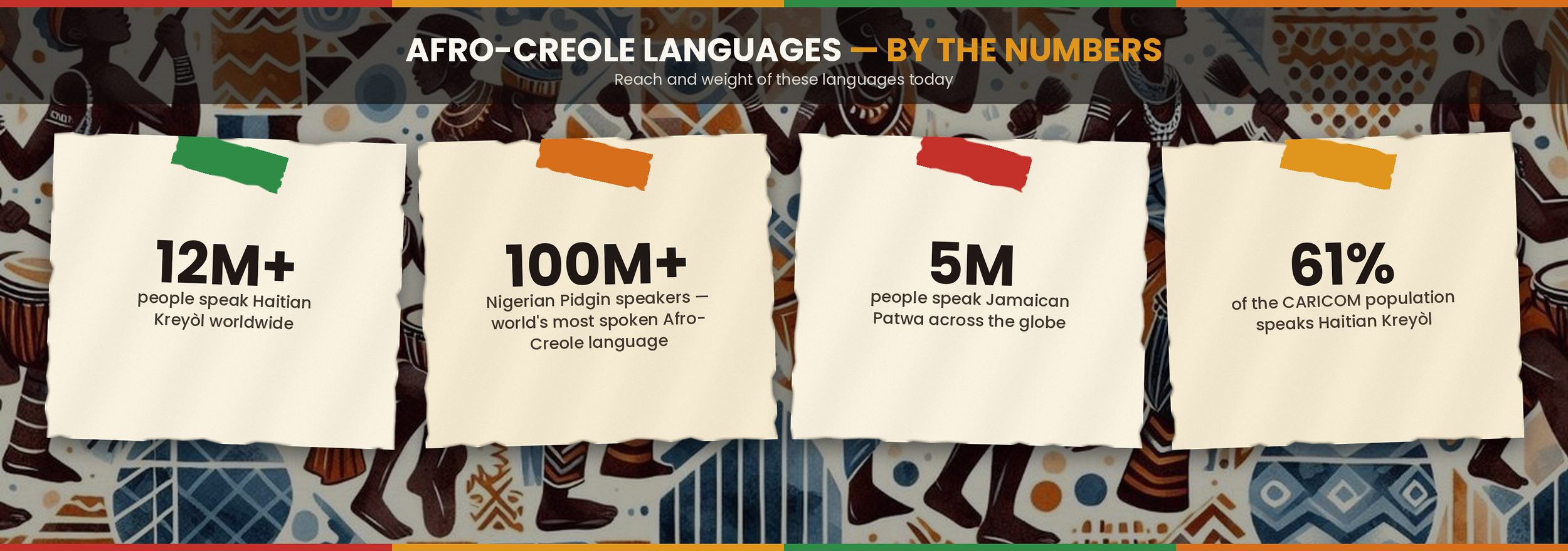
Afro-Creole languages are spoken by over 200 million people across Africa, the Caribbean, North America and South America, yet they continue to face stigma and remain under-recognised in education, public life and policy.
Colonial systems sought to erase these languages, and many speakers still experience discrimination because of the languages they speak.
GET INVOLVED
Everyone has a role to play in keeping our languages alive.
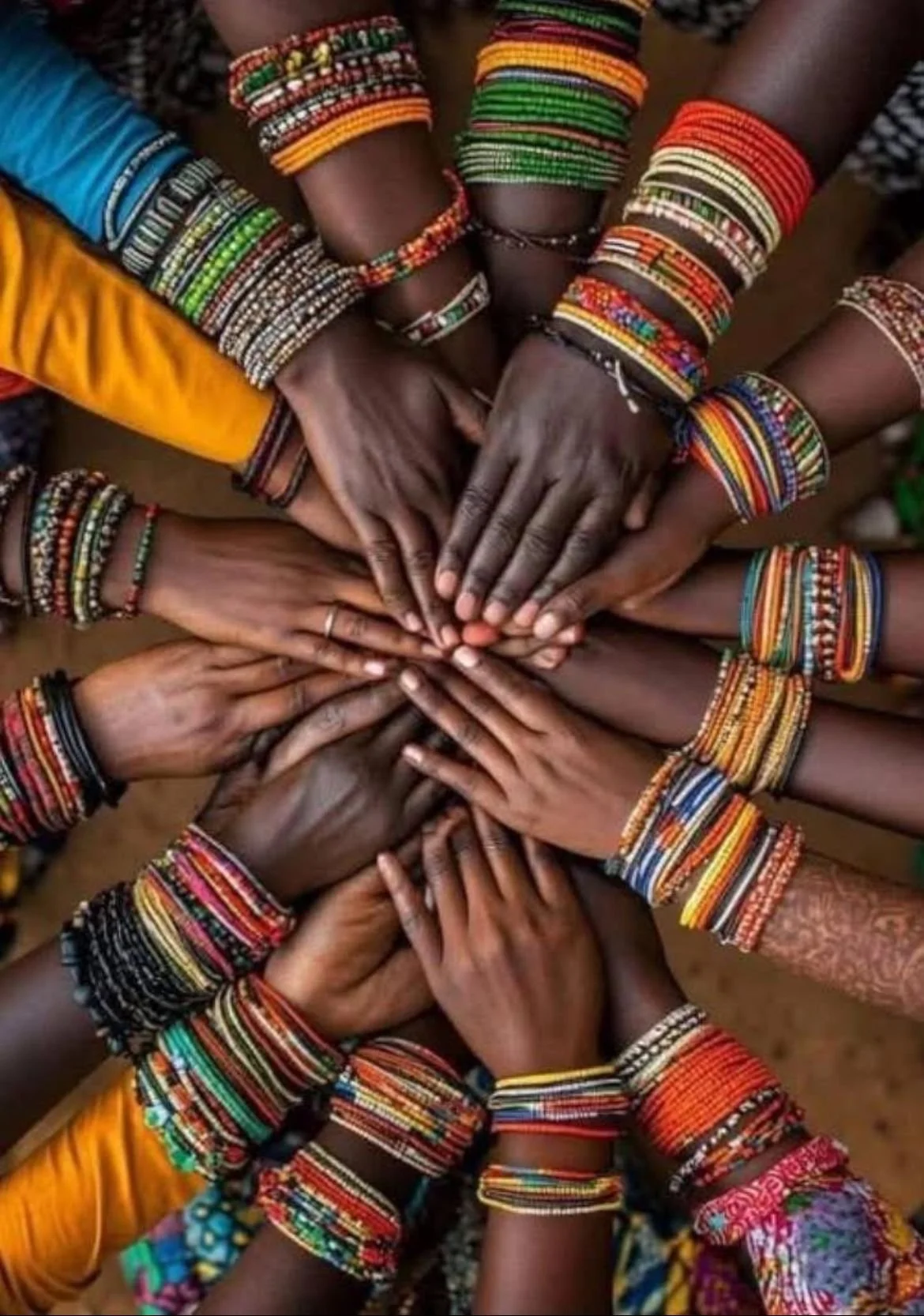
ATTEND EVENTS
Join talks, workshops, performances and community celebrations.
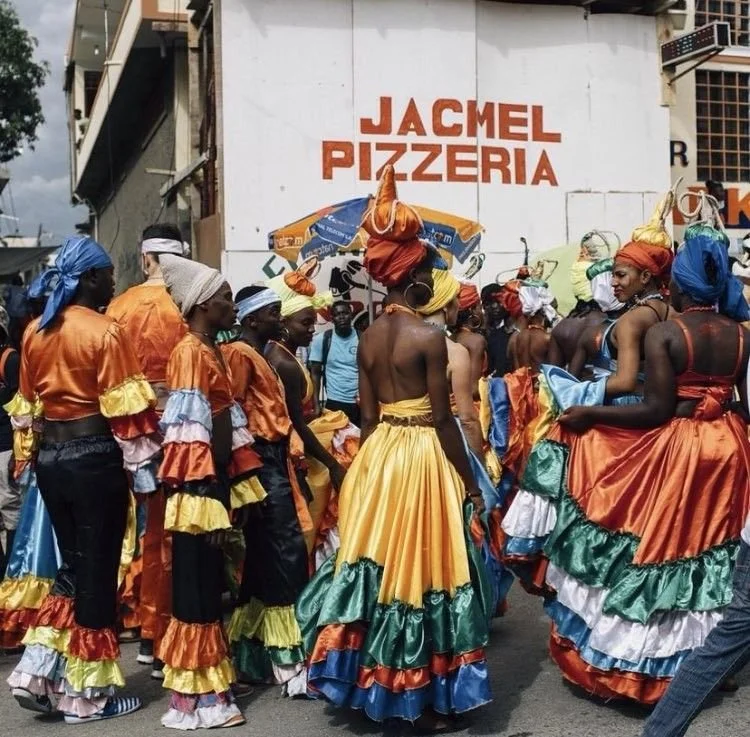
LEARN & TEACH
Access resources and tools to learn, teach and share our languages.
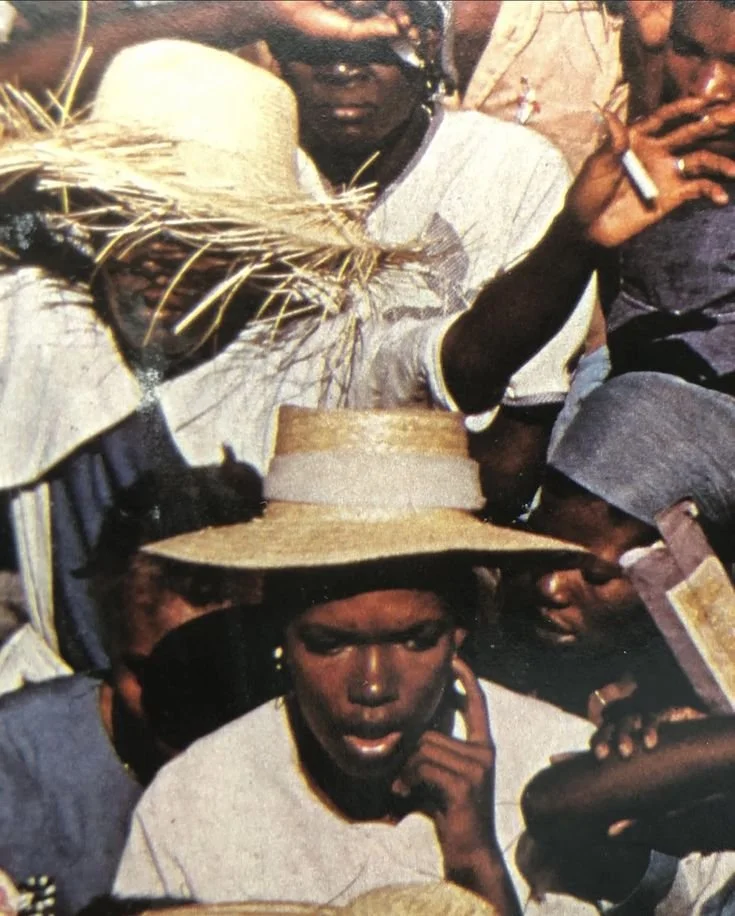
SPREAD AWARENESS
Share our languages, our stories and our rich heritage.
SUPPORT THE MOVEMENT
Volunteer, partner or donate to support our global movement.